Freshly F*cked

Let's dig in.

You've heard the hype. Here's the rest of it:
the evidence, the gaps and the fine print.
Go nuts.

Breaking news · Oct 28, 2026

FDA will let pharmacies compound 6 peptides.

BPC-157· SettleKPV· SettleTB-500· RecoverMOTS-c· DriveSemax· DriveEpitalon· Rest

Translation: 503A pharmacies can now compound 6 of the 7 peptides FDA's advisory panel reviewed in July (DSIP got left out). It's a temporary green light, not FDA approval, but will last until FDA writes a formal rule (expected late 2027 to late 2028).
What's next: injectable GHK-Cu (skin), LL-37 (immunity), Dihexa (memory/focus), Melanotan II (tan) and PEG-MGF (muscle growth) will be reviewed by February 2027. Read the news →

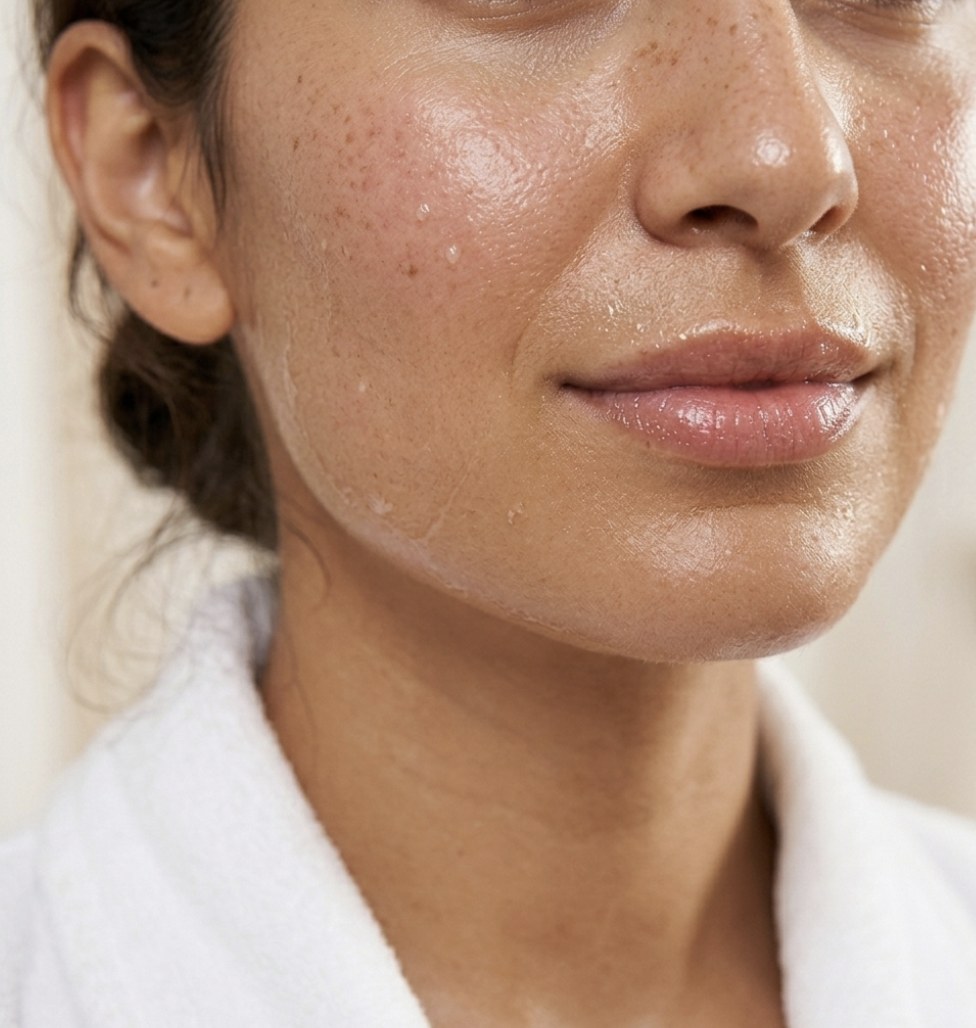
Close-up of dewy, glowing skin

01 — Skin

Glow

GHK-Cu (copper peptide)
A fragment of a protein your body already makes, paired with copper.

Planned for launch
FDA statusTopical: Temporary allowance (FDA review pending)
Injectable: To be reviewed Feb 2027
Oral: Not approved
Humans studiedTopical: 112+ people in 6 trials
Injectable: 0 people in 0 trials
Oral: 0 people in 0 trials
The good

Studied since the 1970s. Small clinical trials of topical GHK-Cu report firmer skin, fewer fine lines, and faster wound healing. FDA currently allows licensed pharmacies to compound the topical form.

The bad

Most of those trials are small, short, and run by the companies selling it. Effects are modest, not dramatic. The injectable version has almost no human data.

The fugly

In April 2026 FDA pulled injectable GHK-Cu from its compounding lists. There is no legal pathway to inject it today, whatever a clinic tells you. We only do topical.

TLDR

Real but modest benefit. Topical GHK-Cu is a reasonable bet for skin.
Walk away from anyone offering to inject it.

A couple about to kiss, lit by warm light

02 — Sexual health

Desire

PT-141 (bremelanotide)
Works on the brain's desire pathways, not blood flow. Sold as Vyleesi.

Planned for launch
FDA statusApproved as of Jun 21, 2019 (sold as Vyleesi)
Humans studied~1,250 women in (2) Phase 3 trials
The good

The only treatment on this page that is FDA-approved. Two Phase 3 trials, about 1,200 women, showed real gains in desire and less distress about it. Taken only when you want it, not daily.

The bad

The gain is modest: roughly a third of a point on a six-point desire scale versus placebo. About 40% of users get nausea. Approved for premenopausal women only; men's data is a handful of small, old studies.

The fugly

Nearly one in five trial participants quit because of side effects. Repeated use can darken patches of skin, sometimes permanently. It briefly raises blood pressure, so it's off the table if yours is uncontrolled.

TLDR

Legitimate evidence here. Works for some, but does make many nauseous.
Oh, and it's only approved for women (yay!)

In the news
Quiet lately. We'll add news as it happens.
Woman asleep in morning light

03 — Sleep

Rest

DSIP and epitalon
Two peptides with 40-plus years of hype and very little proof.

Not planned for launch
FDA statusEpitalon: Temporary allowance as of Oct 28, 2026
DSIP: Not approved
Humans studiedDSIP: 49+ people in 6 trials
Epitalon: 345+ people in 2 studies
The good

DSIP was isolated from sleeping rabbits in 1977 and a few small human trials in the 1980s found some people fell asleep faster. The idea of a natural sleep peptide is real science, not marketing.

The bad

Those trials were tiny and contradicted each other; a 2006 review called DSIP "a still unresolved riddle." Epitalon's human studies come almost entirely from one Russian lab and have never been replicated.

The fugly

In July 2026 an FDA advisory panel voted 6–7 against DSIP, so it still can't be compounded. Epitalon passed 7–4, and since Oct 28 pharmacies may compound it under an interim HHS policy. That's permission, not proof. We won't sell a sleep treatment on this evidence.

TLDR

A good idea with virtually no evidence behind it.
Epitalon is now legal to compound. That doesn't make it work.

Man in a grey tank smiling mid-stretch in warm light

04 — Energy & focus

Drive

Semax, Selank, MOTS-c
Two Russian nasal sprays for the brain, one mitochondrial peptide for the body.

Pending FDA
FDA statusSemax: Temporary allowance as of Oct 28, 2026
MOTS-c: Temporary allowance as of Oct 28, 2026
Selank: Not approved
Humans studiedSemax: 297 people in 2 trials
Selank: 186+ people in 3 trials
MOTS-c: 0 people in 0 trials
The good

Semax and Selank have been prescription drugs in Russia for decades, with published trials in stroke recovery and anxiety. MOTS-c made old mice run like young ones and improved their blood sugar.

The bad

Almost none of that research meets Western trial standards, and "focus" in healthy people has barely been tested. MOTS-c has one small human safety study; everything else is rodents.

The fugly

FDA's own scientists recommended against Semax and MOTS-c, citing missing safety data. An advisory panel narrowly overruled them (8–5 and 7–5). Since Oct 28, 2026, pharmacies may compound both under an interim HHS policy. Selank wasn't on the list, so anyone selling it is still selling a gray-market product.

TLDR

Promising in animals and in Russia (lucky mice). Semax and MOTS-c are now legal to compound; the human evidence hasn't caught up.

Woman resting a hand on her stomach in warm light

05 — Gut health

Settle

BPC-157 and KPV
The internet's favorite healing peptide, and a smaller cousin aimed at gut inflammation.

Pending FDA
FDA statusBPC-157: Temporary allowance as of Oct 28, 2026
KPV: Temporary allowance as of Oct 28, 2026
Humans studiedBPC-157: 12 people in 1 study + 14 people in 2 pilots
KPV: 0 people in 0 trials
The good

Hundreds of animal studies. In rats, BPC-157 heals stomach ulcers, gut lining, and tendons with striking consistency, and it comes from a protein found in human gastric juice.

The bad

A 2025 systematic review found exactly one human study: 12 people, no placebo, and it was about knees, not guts. KPV has never been tested in a human at all.

The fugly

Human safety is, in the reviewers' words, "unknown." FDA's scientists opposed both; an advisory panel voted 8–6 to allow them anyway. Since Oct 28 pharmacies may compound BPC-157 and KPV under an interim HHS policy, with sourcing and side-effect reporting rules.

TLDR

Rats love it, humans have barely been tested. Legal to compound as of Oct 28. The evidence is the same as it was on Oct 27.

Athlete resting after a workout

06 — Recovery

Recover

TB-500
A lab-made fragment of thymosin beta-4, a repair protein your body already makes.

Launch: TBD
FDA statusTB-500: Temporary allowance as of Oct 28, 2026
Humans studiedTB-500: 0 people in 0 trials
Thymosin beta-4 (parent protein): 1,700+ people in 5 trials
The good

Thymosin beta-4, the full protein TB-500 is cut from, has real human trials: eye drops for dry eye and corneal healing reached Phase 3, and a small Phase 2 trial tested it on slow-healing leg ulcers.

The bad

Those trials used the full protein, mostly as eye drops or gels, not the TB-500 fragment people inject. The fragment itself has almost no human data, and an FDA reviewer questioned what form patients actually receive.

The fugly

FDA's scientists recommended against it; an advisory panel voted 8–6 to allow it anyway, and since Oct 28 pharmacies may compound it under an interim HHS policy. It's banned in tested sports (WADA), so competitive athletes should skip it.

TLDR

The parent protein has real science. The thing sold as TB-500 mostly doesn't.
Legal to compound; proof still pending.

The part nobody's counting

No one has to track side effects.
We will.

Drugmakers have to track side effects and report them to FDA. Compounding pharmacies historically haven't. So for most of these peptides, nobody has been keeping count of what goes wrong, and "no side effects reported" mostly means no one asked.

If we sell it, we'll check in on how it's going, log every side effect you tell us about, and share what we learn right here. The good, the bad and the fugly.

And if you didn't know,
now you know.

We'll make sure to keep you up to date on research and FDA approvals.

* First 1,000 on the list get founding-member pricing

Nothing on this page is medical advice. Evidence summaries are as of October 2026 and will be updated as research and FDA policy change. Prescription treatments are available only after evaluation by a licensed clinician. Compounded medications are not FDA-approved.